









 Which American 2000s TV Series Are You?
 The Perpetual Student Syndrome: When Self-Development Becomes a New Form of Procrastination
 Test: Who Were You in a Past Life?
 Your Mythological Totem: Take the Test and Find Out Which Ancient Creature Protects You?
 Adulthood Test: Find Out How Old You Really Are
 Empathy Check. How Well Developed Is Your Emotional Intelligence?

 English
 Русский
 Deutsch
 Español
Life After the Holidays: How to Beat the Post-New Year Blues
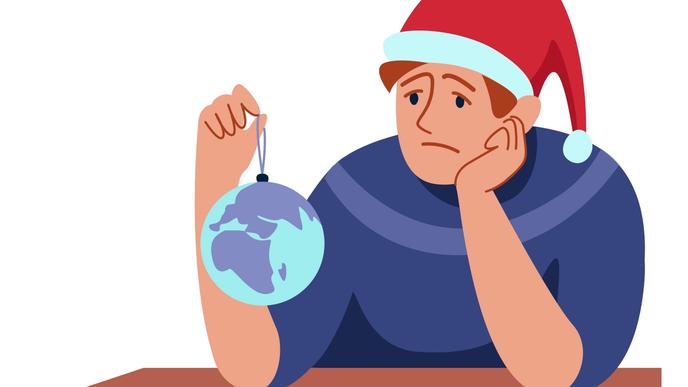
When the last shimmering holiday lights fade, and the noise of celebration gives way to everyday silence, many of us encounter an uninvited guest — the post-New Year slump. This state, reminiscent of light melancholy, sadness, or a feeling of emptiness, is familiar to many, especially to those living in big cities where the pace of life is so fast that the contrast between the festive calm and the workday rush feels overwhelming.
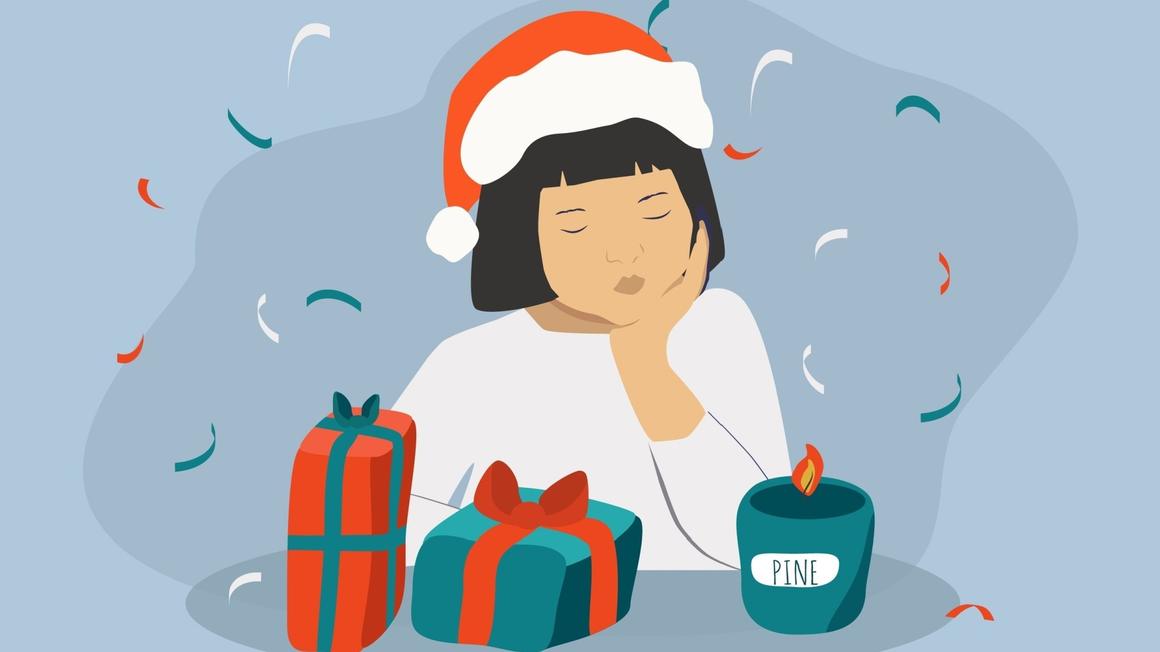
Psychologists confirm: this is not imaginary but a natural effect caused by the sudden disruption of the routines we grew accustomed to during the holidays. Sleep patterns, eating habits, physical activity, and social interactions - all of these, thrown off balance, require serious adjustment from both our bodies and our minds.
Why We Feel Sad After the New Year

The magic of New Year's often awakens our inner child: the ability to enjoy small things without worry, forget responsibilities, savor the moment, and allow ourselves guilt-free rest. And when this period of boundless freedom and pleasure ends, an acute sense of loss appears. The lack of childlike joy and spontaneity in everyday life becomes especially noticeable. If you think about how few such small moments of happiness we allow ourselves during the year, it becomes clear why our inner child becomes so starved - and why its awakening during the holidays feels so significant.
Other factors that can undermine your emotional balance include:
- The collapse of the "holiday perfection" illusion. We often idealize holidays, placing excessive hopes on them. New Year's is perceived as a fresh starting point - a moment when everything can change for the better. Dreams of closeness with loved ones, spiritual renewal, or major life changes are encouraged by festive advertising and general anticipation. But these expectations can become so inflated that reality inevitably disappoints. When magic doesn't happen, and everyday problems remain exactly where they were, we feel missed opportunities and unfulfilled hopes - fertile ground for post-holiday blues.
- A social "eclipse." Winter holidays represent the peak of our social engagement. We're surrounded by family and friends, immersed in gatherings and events. This intense emotional and social flow creates a feeling of fullness and connection. But when the workweek begins, this flow dries up. We return to reserved communication and formal work contacts, and the feeling of unity is replaced by loneliness. For those who already struggle with social interactions, this shift can be especially painful.
- Physiological overload. Or, in other words, the consequences of festive indulgence. Extremely sedentary rest combined with heavy food and alcohol significantly affects our physical state. The body, used to holiday relaxation and overconsumption, experiences stress when returning to its normal rhythm. Overeating disrupts digestion, lack of movement causes sluggishness and stiffness, and alcohol - despite brief relaxation - depletes our reserves and affects hormonal balance. These physiological factors directly influence mood, making it more depressed. Meanwhile, those who managed to stay active and maintain healthy habits over the holidays usually experience a much smoother transition into the work routine.
- A disrupted biological clock. Holiday days often come with broken biorhythms: late bedtimes, irregular meals, and a shifted daily schedule. This leads to a hormonal imbalance. Reduced melatonin (a sleep hormone) and serotonin (a happiness hormone) levels can cause tiredness, irritability, and apathy. The body, trying to adapt to a new, temporary rhythm, experiences stress when that rhythm abruptly changes again.
- Loss of direction. When holiday euphoria fades and only a routine workweek lies ahead, a sharp sense of lost purpose can arise. If, during the holidays, we allowed ourselves total freedom from planning, the sudden return to a structured schedule can feel meaningless and empty. Having no plans besides "go back to work" intensifies the sense of emptiness.
- Financial "aftermath." Holiday spending often exceeds what we originally planned. Realizing the consequences, counting expenses, and worrying about finances can become another source of stress that worsens our mood.
According to research, most people need around three to four days to adapt after the holidays. A short post-holiday workweek often serves as a "soft landing." However, if the slump lingers and starts to impact quality of life, it's important to take active steps to overcome it.
How to Cope With Post-Holiday Melancholy: A Practical Guide

Post-New Year blues is not an inevitable sentence but an invitation to reflect - a signal from the body that careful adjustment and recovery are needed. Fortunately, we have many proven tools that can not only dispel winter sadness but also make the transition from holiday ease to daily productivity smoother and even inspiring. The key to success lies in a holistic approach that addresses both physical and emotional well-being.
- Make short-term and long-term plans
When the thought "all that's ahead is work" makes you feel gloomy, shift your focus to pleasant things still ahead. The holidays are over, but the world is full of opportunities for new experiences! Start exploring travel options: explore travel offers, read travel blogs and forums, and look for ideas for late-winter or early-spring trips. Even if a long vacation isn't coming soon, planning a short weekend getaway to a nearby city can provide motivation and a sense of anticipation. Choosing a route, hotel, or transportation activates the brain's pleasure centers and helps distract from winter sadness. Sharing plans with friends or coworkers boosts mood and may offer practical ideas, too. Don't forget about summer vacations - now is the perfect time to check early-booking deals.
- Add more light and fresh air to your life
It's scientifically proven that winter mood dips are closely linked to short daylight hours, lack of sunlight, and insufficient fresh air. While we can't control the length of the day, we can maximize our use of natural light. Make it a habit to go outside during lunch - ideally before 1 p.m., when sunlight is at its peak. Visit a park, explore nearby streets, and look for cozy corners. Instead of noticing only dull colors, pay attention to the play of light, a sparrow hopping on a branch, or the lively movements of birds near a feeder.
In addition to natural light, artificial sources can help. Light-therapy lamps that mimic sunlight are highly effective in combating seasonal depression. Just a few minutes a day can noticeably improve your well-being. If you have no medical contraindications, short visits to a tanning booth can also help: 5-10 minutes twice a week stimulate endorphin production. Scandinavian doctors often recommend such methods to prevent seasonal depression - it may be worth adopting their approach.
- Stretch out the holiday feeling
Who said the magic must disappear with the last sip of champagne? You can extend the holiday mood by incorporating festive elements into everyday life. Create a list of your favorite holiday movies and turn evening viewings into a cozy ritual. If you didn't get to cook or try everything you planned during the holidays, now is the perfect time for culinary experiments. The aroma of seasonal treats can be a comforting reminder of happy moments.
Don't rush to remove your decorations. Lights, ornaments, festive textiles - all these continue to create a warm and joyful atmosphere at home. Organize themed evenings: a "winter tales night" with hot chocolate, or a "retro night" with old photo albums. These tiny "micro-holidays" help maintain positivity and fight routine.
- Move your body
Physical activity is one of the most powerful and accessible tools for combating low mood. Exercise releases endorphins - natural "happiness hormones." Returning to movement after holiday downtime energizes the body and uplifts emotional well-being.
There are many options:
-
Outdoor walks. Even slow daily walks oxygenate the brain, reduce stress, and improve circulation.
-
Group classes. If you have a gym membership, use it. If not, online platforms offer free classes of every kind - yoga, pilates, strength training, dance workouts.
-
Winter sports. Ice skating, skiing, snowboarding - perfect while the weather allows.
-
Mini-workouts. Even brief morning routines or short exercise cycles throughout the day have a noticeable effect.
- Balance your nutrition
Researchers from Canada and Spain discovered that mood is directly connected to diet. Foods rich in trans fats (fast food, packaged pastries, fried dishes, margarine-based products) increase the risk of depression by up to 40%. After the heavy holiday meals full of such foods, it's especially important to shift toward a healthier diet.
Emphasize foods rich in omega-3 fatty acids - essential for brain function and mood regulation - such as salmon, mackerel, herring, seafood, nuts, and flax seeds. Include more vegetables, fruits, whole grains, lean meats, and poultry. Replace butter and margarine with olive or flaxseed oil. Drink enough water to maintain metabolism and energy levels.
- Be patient with yourself
Remember: post-holiday melancholy is temporary. Don't blame yourself for low energy or lack of motivation. Allow yourself to be imperfect and give yourself time to recover. Often, the feeling of joy returns naturally when we gently ease ourselves into pleasant activities. Decorating the home, preparing gifts for upcoming events, cooking, skating, or simply strolling through a winter city can gradually ignite joy again.
Acts of kindness also have powerful emotional benefits. Volunteering and charity significantly improve well-being. Being a "holiday miracle" for someone - donating to a cause, helping an animal shelter, or participating in community projects - brings meaning and boosts self-esteem.
Lectera’s Online Courses by topic
A Few Final Thoughts
Don't forget about social support - your friends and coworkers! Many of them may be feeling the same way. Don't isolate yourself. Suggest shared activities that remind you of the joy of connection: skating, winter festivals, board-game nights, or simple walks. Talking with people who value and understand you helps reduce loneliness and increases positivity. Even brief warm conversations at work can brighten the day.
Practice mindfulness - techniques that keep you present in the moment. Meditation, breathing exercises, mindful eating, or simply observing your surroundings all help reduce stress, better understand your emotions, and accept them without judgment. Mindfully experiencing each day, even the most ordinary one, helps you notice small joys and feel more alive.
Post-New Year blues are a natural reaction to the shift from intense celebration to daily life. Understanding its causes and using comprehensive strategies to overcome it will not only help you move through this temporary slump, but also teach you to balance rest and productivity - maintaining emotional harmony and a sense of joy.
Share this with your friends via:
Latest News

Fall 2026 promises to be an eventful season for education worldwide.

Tickets for WE Convention 2026 are now available - with 25% off for EARLY BIRDS!

The private school Alpha School, which has opened campuses from New York to California, uses AI bots to teach children academic subjects for just two hours a day. The school has no traditional teachers, no homework, and tuition reaches $65,000 per year.

UK Prime Minister Keir Starmer has announced a major public-private partnership in the field of artificial intelligence. Google, Microsoft, Amazon and NVIDIA, together with the government, are launching an AI skills training programme for 7.5 million British workers.

International educational programmes provider Study Group has announced a change of ownership. The company has been acquired by Arete Education – an investment structure in the higher education sector created by Global University Systems (GUS) and US private investment firm Brightstar Capital Partners.
