












 Which American 2000s TV Series Are You?
 The Perpetual Student Syndrome: When Self-Development Becomes a New Form of Procrastination
 Test: Who Were You in a Past Life?
 Your Mythological Totem: Take the Test and Find Out Which Ancient Creature Protects You?
 Adulthood Test: Find Out How Old You Really Are
 Empathy Check. How Well Developed Is Your Emotional Intelligence?

 English
 Русский
 Deutsch
 Español
China is extensively training professionals in artificial intelligence
As a result, China is now facing an oversupply of university graduates specialising in neural networks and AI.
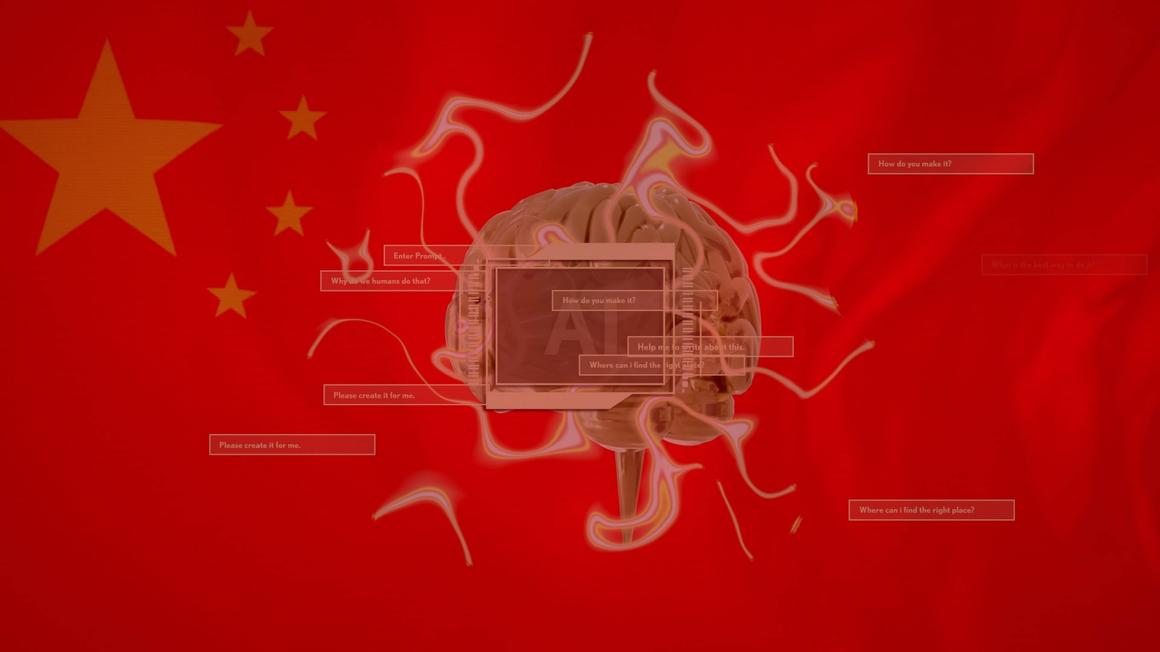
The industry does not need so many specialists, making it increasingly difficult for newcomers to find jobs. In recent years, Chinese media and official sources highlighted a severe shortage of AI professionals. In response, higher education institutions launched numerous new training programs. Since 2017, the first AI educational program was introduced, and over 500 universities nationwide have added similar specialisations. Consequently, the situation in China has shifted dramatically, leading to an excess of AI specialists.
Despite the growing demand for prompt engineering, development, and machine learning graduates, the entry barrier into the AI profession remains high. Additionally, the skills of new graduates often need to align with market needs. Technology companies are also reluctant to train new employees themselves. The situation in China is further complicated because AI usage within companies reduces the need for new professionals. Many Chinese corporations have announced upcoming staff reductions. Consequently, over the past year, job vacancies have decreased, while employer expectations for young professionals and the level of competition have risen.
