












 Which American 2000s TV Series Are You?
 The Perpetual Student Syndrome: When Self-Development Becomes a New Form of Procrastination
 Test: Who Were You in a Past Life?
 Your Mythological Totem: Take the Test and Find Out Which Ancient Creature Protects You?
 Adulthood Test: Find Out How Old You Really Are
 Empathy Check. How Well Developed Is Your Emotional Intelligence?

 English
 Русский
 Deutsch
 Español
Online learning has contributed to a decrease in cyberbullying
Despite warnings from psychologists who fear an across-the-board increase in bullying as the education industry moves online.
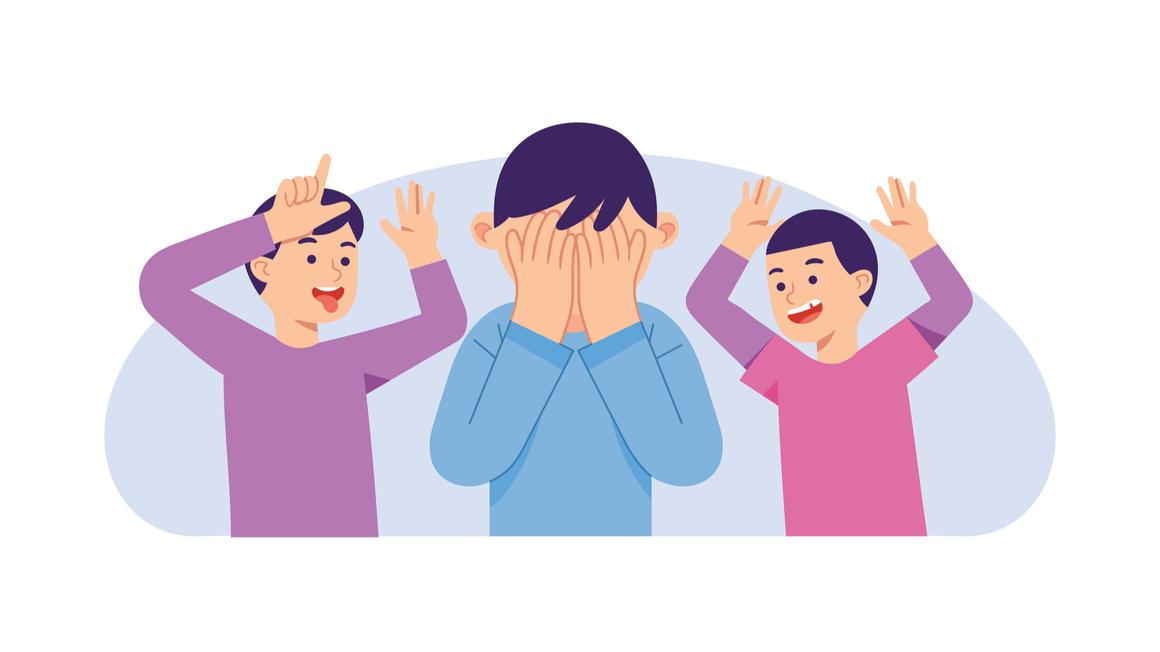
A new study by Boston University has found that online learning has led to a 33 per cent and 20 per cent reduction in Google searches for the keywords 'bullying at school' and 'cyberbullying', respectively. According to the study's authors Andrew Bacher-Hicks, Joshua Goodman, Jennifer Green and Melissa Holt, this fact contrasts with the belief that moving schools online would greatly increase bullying. Interestingly, cyberbullying increased during the summer break in 2020 and began to decline again after the school year restarted. However, after schools went back offline, bullying rates didn't return to pre-covid levels.
Among the reasons why bullying has declined, researchers cite a lack of offline contact with the perpetrators of bullying. Another reason is the increased structured time spent online, that is time spent studying rather than mindlessly scrolling through feeds.
According to the US Centers for Disease Control and Prevention, one in five schoolchildren gets bullied offline each year, and one in six is bullied online. In addition, a new study highlights that both the perpetrators and victims of bullying have psychological problems.
